Ooty in Monsoon 2026: A Complete Travel Guide
Plan Ooty in monsoon 2026 with local tips: 12–20°C weather, July–August peak showers, fuller waterfalls, safe short outings, smart packing, and value stays.
Karpagam Residency, Ooty
Published on 7/13/2026
📍 Staying in Ooty?
Karpagam Residency is on HMT Road, 850m from Rose Garden. Mountain views, free parking, ★4.5 rated. Check availability →
Planning Ooty in monsoon 2026? Here’s a clear, local-style guide to time your outings between 20–40-minute showers, catch waterfalls at full flow, and keep travel smooth with 30–60-minute buffers. You’ll find practical tips on short activities, packing for 12–20°C evenings, and choosing a central stay so you can step out quickly when the rain eases exactly how we host guests through July–September.
Ooty in Monsoon 2026: What to Expect at a Glance
Weather and timing snapshot
Monsoon in Ooty runs June–September, with the heaviest, most frequent showers typically in July and August, and cool days that hover around 12–20°C. Expect intermittent rain bursts that last 10–30 minutes, followed by brighter spells—enough time for a quick garden walk or tea tasting. Daylight averages close to 12 hours in July (roughly 6:00–18:30), so you can plan 2–3 short outings even on wet days.
The monsoon mood and landscapes
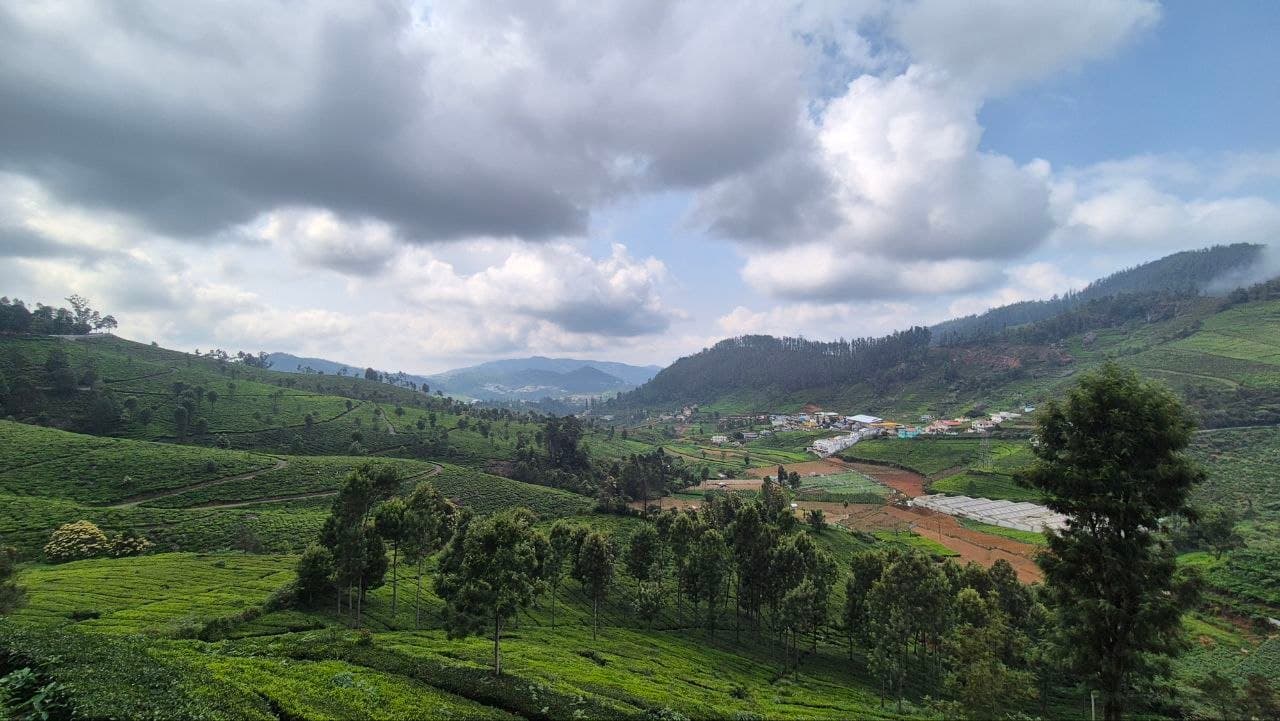
By mid-July, the tea slopes above 2,200 m turn a deep green, and mist regularly drifts across estate roads for a few minutes at a time, clearing to reveal textured ridgelines. Lakes like Ooty Lake and Pykara carry visibly fuller levels now, and you’ll often see low cloud ceilings dip below nearby peaks for 15–20 minutes before lifting—great for soft, diffused light in photographs around 16:00–17:00.
Crowds and budgets in the rains
Compared to the May rush, monsoon footfall eases noticeably—queues at popular gates like the Government Botanical Garden often stay under 10 minutes on weekdays. Many resorts reduce rates by about 20–35% in the rainy months, and you’ll usually find the best value Sunday–Thursday. That price cushion lets you add an extra night (even just 1) for flexibility without stretching the budget.
Who will love Ooty now (and who won’t)
Nature lovers, photographers experimenting with 1–2 second waterfall exposures, and slow travelers who like unhurried tea breaks will thrive with flexible plans this season. If you want guaranteed blue-sky viewpoints every morning or aim to tick 8–10 attractions per day, the shifting cloud and drizzle might frustrate you—consider spacing big-ticket stops across 2–3 days instead.
Best Things To Do in Ooty During Monsoon: Short, Safe, and Scenic
Waterfalls at their peak: Pykara and Kalhatti
Pykara Falls sits about 21 km west of Ooty on NH181; in July–August the cascades thicken, and the designated viewpoints make 20–30-minute stops easy without venturing near fast currents. Kalhatti Falls lies roughly 13 km toward the Kalhatty Ghat; use only marked platforms, keep at least 3–4 meters from slick edges, and budget 45–60 minutes including careful driving on wet bends.
Ride the Nilgiri Mountain Railway for misty valley views
The Toy Train between Ooty and Coonoor takes about 60–75 minutes each way and is especially photogenic when wisps of cloud drift through the valleys for 5–10 minutes at a time. Operations generally continue in monsoon, but always check the current status—especially after overnight rain—before you head out, and arrive 30 minutes early if you’re holding physical tickets. For planning details and seat classes, read our Guide to the Nilgiri Mountain Railway at /blog/nilgiri-mountain-railway-guide.
Tea, chocolate, and easy indoor stops
When rain sets in for an hour, duck into the Ooty Tea Factory & Museum, where a walkthrough and tasting typically take 45–60 minutes, covering processing steps from withering to rolling. Curated tea sessions often pour 3–5 Nilgiri styles (try a light frost tea if available), while local chocolate workshops run 60–90 minutes and suit families who want hands-on activity during heavier showers.
Gardens and greenhouses during lighter spells
Even in the rain, greenhouse zones and paved sections of the Government Botanical Garden make for safe 30–45-minute strolls. Enter during a 20-minute lull, stick to covered or stone-paved paths, and carry a compact umbrella under 30 cm so it’s manageable in tight walkways; non-slip footwear is essential after a squall.
Scenic drives and viewpoints when advisories permit
Choose short, well-traveled loops within 10–25 km of town—think a quick circuit via Doddabetta Junction or a lake loop—rather than long ghats on wet days. Keep viewpoint stops to 5–10 minutes if clouds roll in, and turn back at the first local advisory; in monsoon, a 2–3 km detour to clearer ground is usually safer than pressing on for distance.
Monsoon Safety, Road Conditions, and Smart Packing
Build buffers into your plans
During Ooty’s rainy months, add 20–30 minutes between activities and keep one half-day free across a 2–3 day trip so you can swap plans after a heavy shower. If you’ve booked the Toy Train or a timed indoor slot, aim to be within 2 km of the venue at least 45 minutes beforehand to absorb any rain-induced delays.
Hill-road sense in wet, foggy conditions
Start drives early—depart before 9:00 when possible—so you’re on known routes while visibility is best and traffic is lighter. In fog, use low beams, increase following distance to a 3–4 second gap, and avoid hard braking near hairpins; pull into a marked lay-by for 5 minutes if you lose sight of road edges. Always check local advisories at your hotel desk or police post before setting out after overnight rain.
What to pack for Ooty’s rains
Pack 1 waterproof jacket with a hood, 1–2 quick-dry mid-layers, anti-slip walking shoes, and 2 pairs of warm socks for cool evenings. Add a compact umbrella (under 30 cm when folded), a 10,000 mAh power bank, 2–3 waterproof zip pouches for phones/cameras, and basic medicines (paracetamol, antihistamine, motion relief). If you’ll step into vegetated edges, carry leech socks or apply salt at the first sign of a hitchhiker; a microfiber towel (1) helps dry camera gear fast.
Getting to Ooty in monsoon (and Toy Train note)
Road and regular rail connections to Ooty usually operate through the monsoon, but always check live advisories 24 hours before travel and again on the morning you depart. From Coimbatore, Ooty is about 85–90 km via NH181 (plan 3–4 hours in wet weather), with daily buses and taxis available; the Nilgiri Mountain Railway runs, though the Mettupalayam–Coonoor section may occasionally pause after heavy rain—verify status before you commit to timings.
Offbeat Monsoon Moments: Slow Travel, Photography, and Nature-Watching
Easy estate and neighborhood walks
Pick short 20–30 minute loops on paved estate roads or well-maintained neighborhood lanes, ideally within 1–2 km of your stay so you can bail out fast if a squall builds. Walk single file on blind bends, avoid mossy stones after a 10-minute pour, and keep a spare pair of socks ready so you can head back out when the next window opens.
Photographing mist and fresh greens
The richest greens pop 10–20 minutes after rain; set a base of ISO 200, f/8, and 1/125 sec for hand-held tea-estate frames, dropping to 1–2 seconds with a mini-tripod for streams. Carry 2 microfiber cloths and a handful of 5–10 g desiccant sachets in a zip pouch; a simple rain sleeve for your camera or phone costs little weight but saves a repair bill.
Watch nature from sheltered perches
Verandahs, tea-estate edges with guardrails, and lakeside shelters make safe 15–30 minute nature-watching spots during steady drizzle. Aim for dawn light around 6:15–7:30 or late afternoons 16:00–17:30 when birds and clouds both become active; avoid deep forest interiors in heavy rain unless you have permits and a local guide.
Birding notes without the hype
Keep at least 10 meters from perches, skip audio playback, and give each spot 5–10 quiet minutes—enough for movement to resume after you arrive. An 8× or 10× binocular keeps things steady in wet wind, and wrapping your strap with a 20–30 cm strip of microfiber prevents chafing when showers return.
Where To Stay in Ooty and What It Costs in Monsoon 2026
Budget outlook and seasonal rates
Monsoon is value season in Ooty: many resorts lower rates by about 20–35% compared to summer peaks, especially for midweek dates. If you’re flexible by even 1–2 nights, you can often upgrade room size or add an extra day and still stay within the same overall budget you’d spend in May.
What to prioritise in a monsoon base
Look for a central location within 1–2 km of eateries or delivery zones, reliable hot water, a spot to dry clothes overnight, and straightforward taxi access or on-site parking. Backup power for 30–60-minute outages, in-house tea/coffee before 7:30, and front-desk help with rain advisories make a tangible difference on wet mornings.
A comfortable, central option: Karpagam Residency
If you want a comfortable, in-town base to slip out between showers, consider Karpagam Residency—ask about our monsoon weekday rates and flexible plans. You can browse Rooms & Monsoon Offers at /rooms and check availability or timing help via /contact; being in the heart of town trims drive time to common spots to 10–20 minutes in normal traffic.
Smart booking tips for the rains
Choose flexible dates and confirm cancellation windows (24–48 hours is ideal in monsoon). Weekday stays from Monday–Thursday typically see steadier rates; book 7–10 days ahead for balance between price and weather clarity. Message your host 24 hours pre-arrival to confirm parking, meal options, and any local advisories that might shift your first-day plan by 30–60 minutes.
FAQs: Ooty in Monsoon 2026
Is it safe to visit Ooty during the monsoon season?
Yes, with common-sense precautions: monitor local advisories each morning, stick to maintained paths and marked viewpoints, avoid slippery edges and fast-flowing streams by at least 3–4 meters, and keep 20–30-minute buffers between activities so you can pause after heavy showers.
What are the best activities to do in Ooty during monsoon?
Prioritise fuller waterfalls like Pykara and Kalhatti from designated viewpoints (plan 45–90 minutes round trip), ride the Nilgiri Mountain Railway if it’s operating (60–75 minutes Ooty–Coonoor), and use indoor windows for tea factory tours, chocolate workshops (60–90 minutes), and greenhouse strolls of 30–45 minutes.
How does the monsoon affect travel and road conditions in Ooty?
Expect occasional delays after intense rain, fog that can drop visibility for 5–10 minutes on high bends, and changing advisories through the day. Check Toy Train operations and road updates before you set off, and start drives before 9:00 where possible to make the most of clearer morning windows.
Are accommodations cheaper in Ooty during the monsoon?
Often yes—many properties reduce rates by roughly 20–35% in the rainy months, with Monday–Thursday dates commonly offering the best value. Booking 7–10 days in advance and choosing flexible policies (24–48 hours) helps lock good prices without weather stress.
What should I pack for a trip to Ooty in the monsoon season?
Bring 1 waterproof jacket, 1–2 quick-dry mid-layers for cool evenings, non-slip shoes, a compact umbrella, a 10,000 mAh power bank, 2–3 waterproof pouches for electronics, and basic meds. If you’ll step off paved paths, add leech socks or a small salt sachet and keep 2 microfiber cloths for fog and spray.
With flexible, safety-first planning, Ooty in monsoon 2026 rewards you with saturated greens, rejuvenated waterfalls, and quieter lanes between showers. If you’d like a comfortable, central base to time your days, check Rooms & Monsoon Offers at /rooms and message us via /contact. For prep, bookmark our Nilgiri Mountain Railway guide and Waterfalls safety/access posts so you can line up 2–3 short, scenic outings per day.
Karpagam Residency, Ooty
★★★★½ 4.5/5 (100+ reviews)
HMT Road, Southwick · Mountain views · Free parking & Wi-Fi
Hotels in Ooty →Book Your Ooty Stay
Direct bookings get the best rates - no OTA commissions.